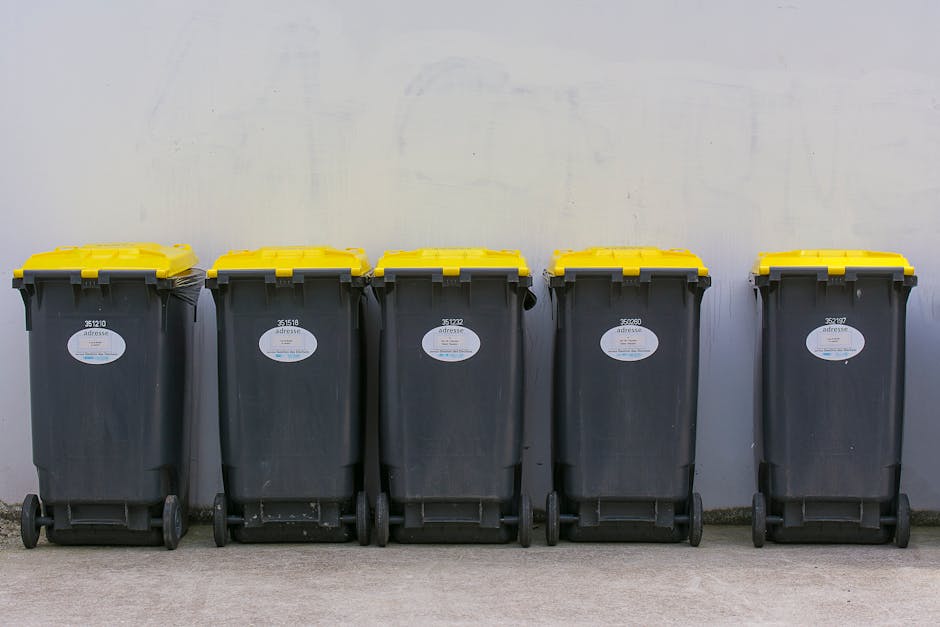
Mortlake Station rubbish collection guide SW14

If you are trying to clear rubbish around Mortlake Station, SW14, the first challenge is usually not the lifting or the loading. It is working out the smartest way to get everything gone without causing delays, parking headaches, or a mess outside your door. This Mortlake Station rubbish collection guide SW14 is here to make that part easier. Whether you are moving flat, clearing out after building work, sorting a garden tidy-up, or just staring at a pile of stuff you meant to deal with weeks ago, the right approach saves time and stress.
In a busy rail area, collection needs a bit more thought than a simple curbside job. Access, timing, item type, and how quickly you need the waste removed all matter. Below, you will find practical guidance on how rubbish collection near Mortlake Station typically works, what to avoid, which disposal methods suit different jobs, and how to choose a reliable option. No fluff. Just the useful stuff.
Why Mortlake Station rubbish collection guide SW14 Matters
Mortlake Station sits in a part of London where streets can be tight, parking is limited, and daily traffic patterns are a real thing, not just an inconvenience people complain about online. That means rubbish collection is rarely just a matter of putting waste outside and hoping for the best. If you plan it poorly, you can end up blocking access, missing a collection window, or needing a second trip. And nobody wants that on a wet Tuesday morning.
This matters for three main reasons. First, rubbish builds up fast during clear-outs and refurbishments. Second, the wrong disposal method can cost more than you expected. Third, some waste types need careful handling, especially if you are dealing with appliances, broken furniture, renovation debris, or anything classed as hazardous. A sensible local plan keeps the job moving and reduces the chance of a messy mistake.
It is also worth saying that rubbish collection near a station area often involves timing around residents, commuters, and access restrictions. The smoother your plan, the less likely you are to upset the neighbours or get stuck waiting for a slot that never quite works. Truth be told, that is usually where people lose time.
If your waste is part of a broader project, it can help to look at the wider service fit as well. Some people only need rubbish removal, while others benefit more from domestic skip hire or a larger solution such as builders skip hire. The best option depends on volume, timing, access, and what you are throwing away.
How Mortlake Station rubbish collection guide SW14 Works
In practical terms, rubbish collection around Mortlake Station usually follows one of a few routes: a man-and-van style collection, a skip placed on or near the property, or a wait-and-load arrangement where the vehicle stays for a short time while you load the waste. Each method has its place.
The process usually begins with a quick assessment of what you have. Are you clearing mixed household clutter? Is it garden waste and old fencing? Is it heavy construction rubble? Or is it bulky furniture and an appliance or two? That first sort matters because collection teams need to know what can be loaded together and what needs separate handling. A sofa and a pile of plasterboard are not the same job, and pretending otherwise is how people get into trouble.
Once the waste type is clear, the provider can suggest the best method. For example, if you are in a location with restricted parking or limited outside space, wait-and-load or a smaller vehicle may be easier than a skip. If you have ongoing work and expect waste to build up over several days, a skip may be more efficient. If you are dealing with mixed commercial waste, you may need something better suited to business turnover, such as commercial skip hire or office clearance.
Collection itself should be straightforward: waste is loaded, checked for restricted items, separated where needed, and taken for appropriate disposal or recycling. Good operators will not just remove everything and call it a day. They should also handle waste responsibly, which is where a provider with clear recycling and sustainability practices becomes especially useful.
For some jobs, timing is the whole game. If you are trying to clear a flat between tenants or finish a project before a weekend handover, you might also want to look at same-day skip hire or a flexible option like wait and load skip hire. It is not glamorous, but it can save the day.
Key Benefits and Practical Advantages
A good rubbish collection setup near Mortlake Station offers more than just a tidy driveway. The biggest benefit is momentum. Once the waste is gone, the rest of the job suddenly looks manageable. You can breathe again, finish decorating, list the property, or simply stop stepping around bags every time you go outside.
There is also a practical cost advantage. Many people assume collection is only about convenience, but the right method can actually reduce total waste handling costs. Choose too large a solution and you may pay for space you do not need. Choose too small a solution and you may need repeat collections. Neither is ideal. A clear view of your rubbish volume is worth its weight in gold, or at least in saved hassle.
Other useful advantages include:
- Cleaner access for residents, trades, and deliveries
- Less disruption around a station-side property where parking is already awkward
- Better sorting of recyclable and non-recyclable items
- Safer work areas with fewer trip hazards and less clutter
- Faster completion of clear-outs, renovations, and move-outs
For builders, landlords, and property managers, another plus is reliability. If you know the rubbish will be collected on time, you can schedule the rest of the work with much more confidence. That is especially handy if your next trade is arriving the same afternoon and, let's be honest, they rarely enjoy waiting around.
When bulky items are part of the load, specialist pages such as mattress and sofa disposal and fridge and appliance removal can help you match the service to the actual item, rather than treating everything as generic rubbish. That often makes the plan cleaner and easier.
Who This Is For and When It Makes Sense
This guide is relevant to a surprisingly wide range of people. In fact, most rubbish collection jobs near Mortlake Station fall into one of a few familiar patterns.
Homeowners and tenants often need help after a declutter, move, or refurbishment. A typical example might be a loft clear-out where boxes, old shelving, and broken furniture have been growing quietly for years. You know the type. It starts with "we should really sort that" and ends with a full Saturday lost to dust and cardboard.
Landlords and letting agents may need clearance between tenancies, after a property has been left with unwanted items, or following a rushed end-of-lease handover. In those cases, speed and professionalism matter more than anything else.
Builders and tradespeople need regular removal of rubble, packaging, timber offcuts, and other site waste. If the job is more than a one-off, options such as construction waste disposal and builders waste removal can be more appropriate than a general household collection.
Business owners may need waste taken away from shops, offices, or storage spaces. For example, an office refurbishment often involves old desks, storage units, confidential papers, and general clutter. In that sort of setting, confidential shredding and office clearance are worth considering alongside the main waste plan.
It also makes sense if you are dealing with awkward access. Around station areas, you may not have room for a large vehicle, or you may need the collection timed tightly to avoid blocking the road. That is where planning ahead pays off. A little awkwardness in the driveway is fine. A lorry stuck halfway across the pavement, not so much.
Step-by-Step Guidance
If you want the process to go smoothly, work through it in a simple order. Do not start with booking before you know what needs removing. That is a classic way to overpay or under-prepare.
- Sort the waste into rough categories. Separate general rubbish, furniture, garden waste, construction debris, electrical items, and anything potentially hazardous.
- Estimate the volume. Think in bags, boxes, or room space rather than vague guesses. "A bit of stuff" is not very useful, sadly.
- Check for restricted items. Appliances, chemicals, paint, gas bottles, batteries, plasterboard, and some electrical items may need special handling.
- Assess access. Consider parking, steps, narrow lanes, shared access, and whether the waste can be brought out easily.
- Choose the right method. Compare rubbish removal, skip hire, wait-and-load, or grab hire based on the job.
- Book with clear instructions. Tell the provider what the waste is, where it is located, and how easy it is to reach.
- Prepare the load area. Move items close to the front, garden gate, loading point, or driveway if possible.
- Keep a final check list. Make sure nothing valuable or reusable gets swept into the pile by mistake.
For many people, the simplest route is to compare waste collection with skip-based solutions. A glance at skip sizes and prices can help you understand how different volumes are usually handled, while skip hire gives a more traditional on-site disposal route. If parking is tight, skip permits may also be part of the conversation.
If you are in a hurry, start by asking a simple question: do I want the waste gone today, or do I want the space available for a few days while I fill a container? That one answer usually narrows the choice fast.
Expert Tips for Better Results
Small choices make a big difference here. You do not need a complicated system. You just need a tidy one.
Tip 1: Separate reusable items first. Before you book any removal, look for items that could be donated, sold, or reused. You may not recover much, but even a couple of avoided loads can help.
Tip 2: Keep heavy waste apart from light mixed rubbish. Bricks, soil, tiles, and rubble are very different from cardboard and packaging. Mixing them may reduce recycling efficiency and can make the collection less cost-effective.
Tip 3: Plan access like a tradesperson would. If you can clear a path to the waste, the whole job speeds up. That means less carrying, fewer awkward turns, fewer "just one more bag" moments.
Tip 4: Be honest about what is included. If you have a fridge, mattress, or a bin bag full of unknown items, say so. It helps the provider prepare the right vehicle and avoid delays.
Tip 5: Keep an eye on local timing. Around Mortlake Station, early mornings and late afternoons can be busier than you expect. Collections that sound simple on paper sometimes become tricky if they overlap with commuter movement or residents returning home.
Tip 6: Use specialist services where needed. Garden clearances, garage clear-outs, house clearance, and site work all have slightly different waste profiles. If your job is specific, choose the matching service rather than forcing it into a generic box. You will usually end up with a neater result.
For larger projects, services like grab hire services or grab lorry hire can be a smart fit because they handle bulkier waste efficiently. If access is poor, these options can sometimes be easier than relying on a traditional container. Not always, but often enough to be worth checking.
Common Mistakes to Avoid
A lot of rubbish collection problems near station areas come from the same handful of mistakes. Most are avoidable. Which is good news, because few people enjoy paying twice.
- Underestimating volume. A pile that looks manageable can turn out to be far larger once it is broken down.
- Ignoring access restrictions. Narrow roads, parked cars, shared entrances, and loading restrictions can all change the best option.
- Mixing prohibited items with general waste. Hazardous materials, electrical items, and appliances may need separate handling.
- Leaving everything to the last minute. This is especially awkward if you need the space cleared before a handover or delivery.
- Not checking permit needs. If a skip or vehicle is likely to sit on the road, permits may matter.
- Choosing only on headline price. Cheap is not always cheap if it causes delays, extra trips, or disposal issues.
Another mistake is assuming all waste is handled the same way. It is not. Green waste, plasterboard, furniture, and general household rubbish each have different handling realities. If you want a cleaner outcome, match the disposal method to the waste itself.
And one more, slightly embarrassing but common: people forget the stuff they actually want to keep. Keys, folders, chargers, spare screws, the lot. We have all done a version of it. Slow down for the final sweep.
Tools, Resources and Recommendations
You do not need fancy equipment to organise rubbish collection well, but a few simple tools help a lot.
- Bin bags or rubble sacks for sorting light and medium waste
- Cardboard boxes for loose clutter, books, and smaller household items
- Gloves and sturdy footwear if you are moving items yourself
- Measuring tape to estimate access width or stack height
- Labels or marker pens to separate keep, donate, and remove piles
From a service perspective, the most useful pages to review are usually what can go in a skip, waste recycling services, and pricing and quotes. Those pages help you understand what is accepted, how recycling is approached, and how to get a sense of likely cost before you commit.
If your waste includes awkward or specialised items, look at the relevant service page before booking. That could be garden waste removal for outdoor clear-ups, garage and loft clearance for stored clutter, or house clearance if the whole property needs a reset.
For people who prefer a simple online start, book online is a helpful next step. If you want to understand the company behind the service first, about us offers useful context on how the business presents itself and what kind of support you can expect.
Law, Compliance, Standards, or Best Practice
When rubbish leaves your property, it still has to be handled properly. In the UK, that means working with a responsible waste carrier and making sure waste goes to suitable disposal or recycling routes. You do not need to be a legal expert to make a sensible choice, but you do need to be careful about who takes the waste away.
Best practice is straightforward: check that the collection method suits the waste type, keep any hazardous items separate, and avoid mixing general rubbish with items that need specialist disposal. That includes things like fridges, freezers, chemicals, oils, batteries, and some electrical goods. If in doubt, ask before the collection day. It is much easier to clarify in advance than to negotiate a problem on the kerb at 8.15 in the morning.
For road-based collections, parking and access rules can matter too. Around Mortlake Station, where streets can be busy and space can be limited, planning for safe loading is part of the job. If a skip or vehicle may need to sit on the highway, you may need to think about a permit. The safest approach is to check the requirement before placing anything on public land.
There is also a practical safety angle. Good handling reduces trip hazards, lifting injuries, broken glass risks, and general site clutter. If a company has clear health and safety policy information and strong insurance and safety practices, that is usually a reassuring sign. Not flashy, just sensible.
For sensitive business waste, confidentiality matters as much as disposal. That is why services such as confidential shredding are relevant in office settings. Paper records should not be treated like old packaging.
Options, Methods, or Comparison Table
There is no single best rubbish collection method for every job near Mortlake Station. The right choice depends on access, waste type, and how quickly you need the area cleared. Here is a simple comparison to make that easier.
| Method | Best for | Advantages | Watch-outs |
|---|---|---|---|
| Rubbish removal / man and van | Small to medium mixed loads | Flexible, quick, minimal waiting | May be less efficient for ongoing jobs |
| Skip hire | Longer clear-outs and ongoing waste | Good if waste builds up over time | Needs space; may require a permit |
| Wait and load | Limited-space properties | No long-term roadside container | You need waste ready to load quickly |
| Grab hire | Bulkier or heavier waste | Efficient for large volumes | Access and setup still matter |
If you are still unsure, start with one practical question: is the waste mostly light and mixed, or heavy and bulky? That answer often points you toward the right method immediately. It is surprisingly useful.
For larger commercial or project-based jobs, it may also be worth comparing construction waste clearance and demolition waste removal if the material is coming from structural work rather than household decluttering.
Case Study or Real-World Example
Picture a small terrace property not far from Mortlake Station. The owners are finishing a kitchen update and clearing a back room that has quietly become storage for old chairs, paint tins, a broken microwave, and a stack of flat-pack packaging. They have a narrow frontage, not much spare parking, and they need the waste gone before a plumber returns the next morning.
In that kind of situation, a full-size skip is not always the cleanest answer. A wait-and-load arrangement or a targeted rubbish removal service may work better because the load can be removed in one go without leaving a container outside for several days. If the job spills into heavier waste, perhaps a bit of plaster and tile rubble too, then the advice changes again. That is why the first assessment matters.
The owners sort the items into three piles: keep, recycle, remove. They move everything to the front room and garden path, separate the fridge for specialist removal, and keep the general load ready for collection. The result is straightforward: less clutter, less back-and-forth, and no awkward last-minute scramble while dinner is burning in the oven. Ordinary problem, ordinary win.
That is really the point of good local rubbish collection. It does not have to be dramatic. It just needs to fit the space, the timing, and the type of waste you actually have.
Practical Checklist
Use this quick checklist before you book or load anything:
- Have I identified the main waste types?
- Do I know roughly how much needs removing?
- Have I checked whether any items need special handling?
- Is access clear for a vehicle, skip, or loading crew?
- Do I need a permit or another access arrangement?
- Have I separated keep, donate, recycle, and remove piles?
- Do I know whether I need same-day, scheduled, or ongoing collection?
- Have I looked at the relevant service page for my waste type?
- Have I compared collection with skip-based options?
- Am I ready to confirm the job details clearly and simply?
If you can tick most of those off, you are in a strong position. If not, do not worry. Most people are missing one or two of them at first. That is normal.
Conclusion
Getting rubbish collected near Mortlake Station, SW14, is much easier when you treat it like a small planning job rather than a last-minute scramble. Once you know what you have, how much there is, and how easy it is to reach, the right solution becomes obvious more often than not. That could be a skip, a wait-and-load setup, a man-and-van collection, or a specialist service for bulky or sensitive items.
The main thing is to keep the process simple, honest, and suited to the space you are working with. Around a station area, that means being mindful of access, timing, and local disruption. Do that well and the rest tends to fall into place. Nice and calm. Much better than dragging bags out in a rush while wondering if the street is blocked.
If you are comparing options now, a quick look at skip hire, rubbish removal, and pricing and quotes is a sensible next move. And if you want a straightforward introduction to the team, contact us is there when you are ready.
Get a free quote today and see how much you can save.
Sometimes the best part of clearing rubbish is not the empty space itself. It is that little sense of relief when the job is finally off your plate.
Frequently Asked Questions
What is the best rubbish collection option near Mortlake Station?
The best option depends on the waste type, volume, and access. Small mixed loads often suit rubbish removal, while bigger or ongoing jobs may be better handled with skip hire or grab hire.
Do I need a skip permit in SW14?
You may need a permit if the skip is going on a public road or highway. If the skip can stay fully on private land, a permit is usually less likely to be needed, but check the details first.
Can I put furniture and bulky items in a rubbish collection?
Yes, many collections accept bulky furniture, but some items may need specialist handling. Sofas, mattresses, and appliances are often managed through separate disposal routes.
What should I do with a fridge or freezer?
Fridges and freezers are usually treated as specialist items because of their materials and components. It is better to use a dedicated appliance removal service rather than mixing them into general waste.
Is same-day collection possible near Mortlake Station?
Sometimes, yes. Same-day collection depends on availability, access, and the type of waste. If you are under time pressure, ask early and be clear about what needs removing.
How do I know whether I need skip hire or rubbish removal?
If you want waste gone quickly and have limited space, rubbish removal can be a good fit. If you expect waste to build up over several days, skip hire may be the more practical option.
What waste types are considered hazardous?
Hazardous waste can include chemicals, oils, paint, batteries, gas bottles, and certain electrical materials. If you are unsure, do not mix them with normal rubbish until you have checked.
Can builders use this guide too?
Yes. Builders, decorators, and tradespeople often need waste cleared from work sites near residential streets. In those cases, builders waste removal or construction waste disposal may be more appropriate.
How can I keep collection costs down?
Sort waste before booking, separate reusable items, estimate volume carefully, and choose the disposal method that matches the job. Over-ordering space or making repeat bookings usually pushes costs up.
What if I have confidential papers as well as general rubbish?
Keep confidential documents separate and use confidential shredding rather than putting them in with general waste. That is the safer and more professional approach for homes and offices alike.
Is garden waste handled differently from household rubbish?
Often, yes. Garden waste is usually better dealt with through a dedicated garden waste removal service, especially if it includes soil, branches, turf, or mixed outdoor debris.
How soon should I book before a move or renovation?
As early as you can, especially if you are working to a deadline. The closer you leave it to move-out day or handover day, the less flexibility you will usually have.