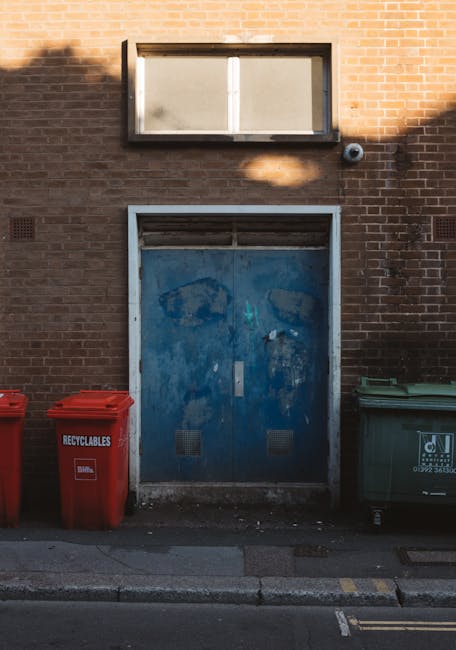
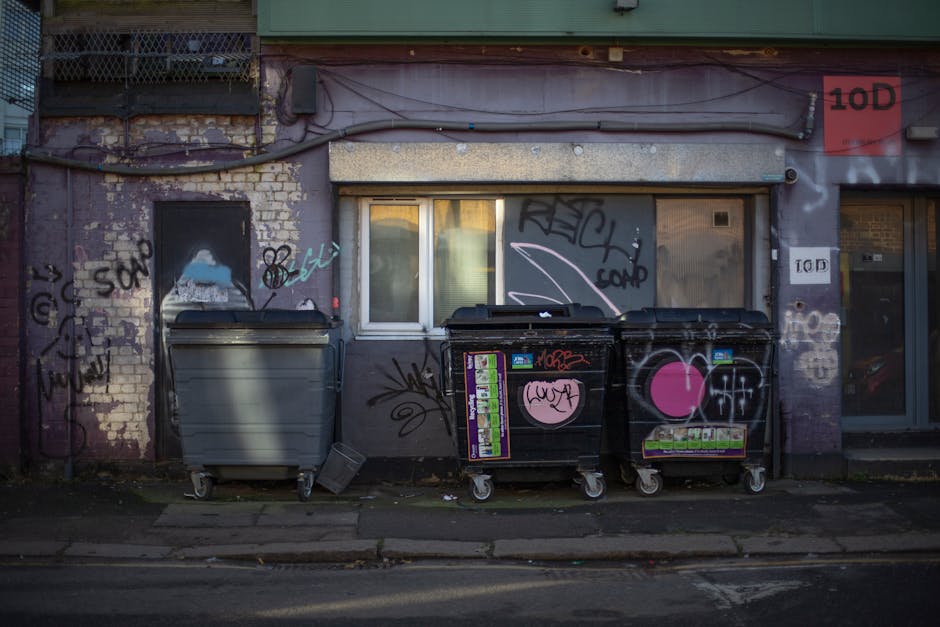
Mortlake High Street business rubbish collection for shops
If you run a shop on Mortlake High Street, rubbish has a way of becoming urgent at the worst possible moment. A pile of cardboard by the stockroom door, broken-down packaging after a delivery, or a few bags that should have gone out before opening can quickly turn from a small nuisance into a shopfront problem. This guide to Mortlake High Street business rubbish collection for shops explains how collection works, what options make sense for different premises, and how to keep your business tidy, compliant, and easier to run day to day.
Let's face it: retail waste is rarely just "rubbish". It is part of your workflow. If you handle stock deliveries, seasonal displays, food packaging, damaged goods, or refurbishment debris, you need a disposal setup that fits real shop life, not a theory on paper. Below, you will find practical guidance, useful comparisons, a checklist, and a few grounded tips from the kind of situations shop owners actually deal with.
Table of Contents
- Why Mortlake High Street business rubbish collection for shops Matters
- How Mortlake High Street business rubbish collection for shops Works
- Key Benefits and Practical Advantages
- Who This Is For and When It Makes Sense
- Step-by-Step Guidance
- Expert Tips for Better Results
- Common Mistakes to Avoid
- Tools, Resources and Recommendations
- Law, Compliance, Standards, or Best Practice
- Options, Methods, or Comparison Table
- Case Study or Real-World Example
- Practical Checklist
- Conclusion
- Frequently Asked Questions
Why Mortlake High Street business rubbish collection for shops Matters
Shop waste affects far more than appearance. On a busy high street, poor waste handling can get in the way of customers, attract pests, create odours, and make your entrance look neglected. That is the obvious part. The less obvious part is how much time it steals from staff. Every extra trip to move sacks, every improvised cardboard stack, every "we'll deal with it later" moment adds friction to the day.
Mortlake High Street has the usual mix of local foot traffic, deliveries, tight service areas, and limited space behind the counter. That means waste collection for shops needs to be practical. A florist, convenience store, cafe, boutique, hardware shop, or salon all produce different waste streams, but they share the same need: regular removal without interrupting trading.
There is also a reputational angle. People notice what is outside a shop before they notice what is inside. An overfilled bin, flattened boxes spilling onto the pavement, or black bags left in the wrong place can make a business look disorganised. Not exactly the first impression you want, especially on a street where every metre of frontage matters.
Expert summary: Good shop waste collection is really about three things: keeping trading spaces clear, protecting your image, and choosing a disposal method that matches your waste volume and access constraints.
How Mortlake High Street business rubbish collection for shops Works
In simple terms, business rubbish collection for shops means arranging a regular or on-demand service to remove commercial waste from your premises. Depending on your setup, that could involve wheelie bins, sacks, skips, enclosed containers, wait-and-load removal, or ad hoc pickup for bulkier items. The right method depends on what you throw away, how often waste appears, and how much space you have.
Most shops start by separating waste into broad groups. Cardboard and packaging are common, general waste is unavoidable, and some businesses also handle specific items such as old fixtures, damaged stock, or confidential paperwork. If you are dealing with back-of-house cleanouts or larger shop refits, a service like commercial skip hire may be more suitable than standard bin collection, especially when the waste volume jumps for a short period.
Access matters just as much as volume. Some Mortlake High Street premises have tight rear lanes, shared access, or limited loading space. In those cases, a more flexible approach can be useful. For example, wait and load skip hire can suit businesses that need waste taken away quickly without leaving a skip on-site. It is not glamorous, but it works. And sometimes that is all you need.
If your shop produces a one-off burst of waste, such as after a display change, stockroom clear-out, or refurbishment, same-day solutions can be a lifesaver. A service like same-day skip hire can help keep the business open and the shop floor free from clutter. In a retail setting, time really is money, and waste left too long tends to spread like confetti after a party nobody asked for.
For lighter loads, some businesses prefer collections that avoid a full skip altogether. A more manual approach such as rubbish removal or man and van waste collection may suit shops with occasional bulky waste, awkward access, or just a smaller amount to clear.
Key Benefits and Practical Advantages
When shop waste is managed well, the benefits show up in small but meaningful ways. The stockroom stays walkable. Deliveries are easier to receive. The front of shop looks sharper. Staff waste less time juggling bags and boxes. It all sounds obvious, but day-to-day convenience is often where the value sits.
- Cleaner customer-facing areas: Fewer bags, loose packaging, and cardboard piles around entrances or rear access points.
- Better staff efficiency: Less time spent moving waste around means more time serving customers and managing stock.
- Improved hygiene: Regular collection reduces smells, spills, and pest risks, particularly for food-adjacent businesses.
- Safer working conditions: Clear walkways reduce trip hazards in stockrooms, corridors, and back-of-house areas.
- More predictable operations: Planned collections are easier to fit around trading hours, deliveries, and busy weekends.
- Better use of space: A small shop cannot afford to lose storage space to temporary waste piles.
There is also a subtle commercial benefit. A tidy shop feels organised. Customers may not say it out loud, but they feel it. They notice the difference between a place that looks managed and one that feels a bit behind on everything. That small sense of order matters more than people think.
If your waste includes recyclable cardboard, paper, or mixed packaging, using a structured system can also support recycling and sustainability goals. Some businesses choose to work with a provider that understands sorting and recovery, such as waste recycling services and recycling and sustainability. That can reduce the amount going into general waste and make disposal more efficient overall.
Who This Is For and When It Makes Sense
This kind of collection is relevant to almost any shop, but the details change depending on what you sell and how you operate. A bakery has different waste from a clothes shop. A hardware store has different waste from a beauty retailer. Even two similar businesses can need different setups depending on footfall, deliveries, and back-of-house space.
It usually makes sense if your shop generates any of the following:
- cardboard and plastic packaging from regular deliveries
- damaged stock or unsellable goods
- old shelving, signage, or display fixtures
- refit waste from redecorating or seasonal resets
- mixed rubbish that does not fit neatly into standard council-style bin routines
- bulky items that are awkward to carry through a customer area
It also makes sense if your current arrangement causes friction. Maybe your bins are always full before collection day. Maybe staff are making multiple trips to a communal waste area. Maybe the rear yard is becoming a catch-all for boxes that "need to go soon". Truth be told, that last one is common. A bit too common.
If you manage a shop chain or several units, consistency becomes even more important. A well-designed disposal plan stops one branch from improvising and another from overpaying for urgent clearances. If your premises include an office or admin room as well, office clearance may be helpful for paper, furniture, and back-office clutter. Retail premises often blur into office use more than people expect.
Step-by-Step Guidance
If you are setting up or improving Mortlake High Street business rubbish collection for shops, start with the basics. No need to make it complicated. A sensible process usually works better than a perfect one that nobody follows.
- Audit the waste you create. Spend a week noticing what comes out of the shop. Cardboard, plastic wrap, damaged stock, food waste, old displays, broken fittings, and general rubbish all need different handling.
- Estimate volume and frequency. Are you producing a small daily amount, or do you get a large weekly build-up after deliveries? That difference changes the best collection method.
- Check access and storage space. Do you have room for a bin, skip, or temporary load area without blocking staff or customers?
- Separate recyclable material where practical. Flatten boxes, bag general waste properly, and keep recyclable cardboard clean where possible.
- Match the collection method to the workflow. A shop with tight access may prefer wait-and-load. A refit may suit a skip. A smaller clearance may be easier with a van collection.
- Plan around trading hours. Morning collections, post-close clearances, or quieter midweek slots often cause less disruption.
- Review after the first cycle. If bins overflow or collections feel too frequent, adjust the plan. If you are paying for space you do not use, scale down.
A useful trick is to assign one person to keep an eye on waste levels each day. Not forever, just long enough to spot patterns. Once you know when the packaging mountain arrives, planning becomes easier. Retail waste usually has a rhythm, and after a while you can almost hear it coming.
If your site needs a larger container or you are comparing skip options, it can help to look at skip hire alongside skip sizes and prices. That way you can avoid paying for capacity you do not need, or worse, underestimating the space required and running out halfway through the job.
Expert Tips for Better Results
A few small adjustments can make shop waste collection noticeably easier. These are the sorts of things that do not sound exciting but save headaches later.
- Flatten cardboard immediately. It reduces volume fast and keeps loading areas tidier.
- Keep a designated waste point. One place for boxes, one place for general waste, one place for bulky items. Simple, visible, repeatable.
- Use the right container size. Too small means overflow. Too large can be awkward or poor value.
- Schedule collections before busy periods. Friday evenings, Saturday mornings, and pre-promotion launches can all be messy enough without waste in the way.
- Protect sensitive items. If you dispose of paperwork, labels, till records, or customer documents, use a secure method such as confidential shredding.
- Keep hazardous items separate. Broken chemicals, aerosols, batteries, or cleaning waste may need specialist handling through hazardous waste disposal.
Here is one small real-world observation: many shop waste problems start with one "temporary" pile that stays for three weeks. That is usually how it begins. If you can stop the temporary pile becoming part of the furniture, you are already ahead.
For businesses that regularly receive bulky packaging or pallets, a more structured clearance plan can help. Services such as builders waste removal or construction waste disposal may be relevant during fit-outs, even for shops that are not traditionally "construction" sites. Retail refits create more debris than people expect.
Common Mistakes to Avoid
Most waste problems in shops are preventable. The challenge is that they creep in gradually. One misjudged collection cycle, one delivery-heavy week, one broken display unit, and suddenly the back room is no longer a back room. It is a storage puzzle.
- Underestimating cardboard volume: Boxes expand quickly, and packaging often takes far more room than the stock itself.
- Mixing waste streams carelessly: Keep recyclables, general waste, and specialist items separate where possible.
- Ignoring access issues: A service that looks cheap on paper may not work if the vehicle cannot reach the premises easily.
- Leaving waste outside for too long: This can look untidy and attract complaints, especially on a busy high street.
- Choosing the wrong collection method: A full skip is not always needed; equally, a quick van pickup may not be enough for a larger clearance.
- Forgetting about permits or placement rules: If a skip or container is going on a public road, rules may apply and planning matters.
Another common mistake is treating waste as an afterthought. That usually costs more in the end. The fix does not need to be fancy. It just needs to be consistent.
Tools, Resources and Recommendations
You do not need a complicated system to manage shop waste well. A few basic tools and habits can make the whole process smoother.
- Box cutter and flattening tools: Useful for breaking down packaging quickly after deliveries.
- Clearly labelled bins or sacks: Helps staff separate cardboard, general waste, and special items without guesswork.
- Simple waste log: A notebook, spreadsheet, or shared staff note can show how much waste is generated each week.
- Storage straps or crates: Handy for keeping flattened cardboard under control instead of drifting everywhere.
- Collection calendar: Keeps removal dates visible so no one is surprised by a full yard on a Monday morning.
For shops comparing waste solutions, it can help to review pages like skip permits and what can go in a skip before booking. That saves awkward surprises later. If the job is small but time-sensitive, book online can be a straightforward way to arrange collection without turning it into a long admin task.
If you are comparing service types, it also helps to think about the end result you want: quick removal, low disruption, secure disposal, recycling focus, or all of the above. The best choice is not always the cheapest line item. Sometimes it is the one that keeps your staff calm at 9 a.m. on a busy trade day. Small difference, big effect.
Law, Compliance, Standards, or Best Practice
Commercial waste handling in the UK comes with duties that shop owners should take seriously. The exact requirements can depend on your waste type, your premises, and how the waste is stored or removed, so it is wise to check the details that apply to your business rather than relying on guesswork.
As a general rule, businesses should store waste safely, prevent it from causing nuisance, and use an appropriate disposal route. If waste includes items that could be considered hazardous or special handling material, it needs extra care. For example, cleaning chemicals, some electrical items, sharps, or contaminated waste should not be treated like ordinary packaging.
Best practice usually includes:
- keeping waste separate where possible
- avoiding overfilled containers
- protecting staff from cuts, spills, and lifting injuries
- using a provider that understands commercial waste handling
- keeping records where needed for business waste control
Health and safety matters too. A bag of broken fittings in a narrow corridor is not just untidy, it is a trip hazard. If your shop regularly handles heavy or awkward waste, you should think about manual handling and safe loading. Some premises also benefit from broader site support such as health and safety policy guidance and insurance and safety information, especially where staff, contractors, and customers all share the same access points.
And a practical note: if you are unsure whether an item belongs in general waste, recyclable waste, or a specialist stream, pause and check. A minute of caution is better than an expensive mistake later.
Options, Methods, or Comparison Table
Not every shop needs the same disposal method. Here is a simple comparison to help you judge what usually works best.
| Method | Best for | Strengths | Watch-outs |
|---|---|---|---|
| Regular bin collection | Low, steady volumes of everyday waste | Simple, familiar, low effort | Can overflow during delivery-heavy periods |
| Skip hire | Bulk waste, refits, packaging surges, clear-outs | Handles a lot at once, practical for mixed rubbish | Needs space, may need permits, can be overkill for small loads |
| Wait and load | Shops with tight access or no space to leave a container | Fast removal, avoids on-site container storage | Requires the waste to be ready when the vehicle arrives |
| Man and van | Smaller mixed loads, bulky items, ad hoc clearances | Flexible and convenient | May not suit high-volume waste |
| Recycling-focused collection | Cardboard, packaging, and cleaner waste streams | Better sorting and recovery, often tidier back areas | Needs staff buy-in and consistent separation |
If a shop is renovating or removing built-in displays, a skip is often the most straightforward route. If access is tight and you cannot leave anything outside long enough, wait and load may be the better call. For mixed waste with a few bulky items, a van-based clearance can be the sweet spot. The "best" method depends on your real constraints, not a brochure ideal.
Shops with larger, irregular loads may also benefit from grab hire services or grab lorry hire, especially when waste is awkward to move by hand or piled in a rear yard. That can be a calmer option than asking staff to deal with heavy lifting they were not hired for.
Case Study or Real-World Example
Picture a small independent shop on Mortlake High Street after a seasonal reset. New stock arrives in waves. Cardboard mounts up quickly. A display unit is replaced. There are bits of packaging, a broken shelf panel, and some old promotional material that no longer fits the new layout. The team starts stacking waste in the back room "just until Friday". By Thursday afternoon, the staff path is narrower, the storage shelf is partly blocked, and the manager is already muttering about where the next delivery will go.
In a situation like that, the most useful approach is often not to wait for the clutter to become a bigger problem. A short-notice collection or a small skip can clear the pressure quickly and restore the space to something workable. If the shop has limited room outside, a wait-and-load style collection may be easier than leaving a container in place. If the unit is being refitted, a larger commercial clearance option may make more sense.
The key lesson is simple: retail waste is easiest to manage when it is treated as part of the shop layout, not an afterthought. The best-run shops usually have a tiny routine in place for packaging, a named point of contact for waste issues, and a plan for busy weeks. Nothing dramatic. Just enough structure to stop the mess from winning.
Practical Checklist
Use this checklist before arranging or reviewing your shop waste collection.
- Have I identified the main waste types my shop produces?
- Do I know roughly how much waste we create each week?
- Is there enough space for bins, sacks, or temporary storage without blocking access?
- Are cardboard and recyclable materials being flattened and separated?
- Do staff know where waste should go?
- Is there a plan for bulky items, damaged stock, and refurbishment waste?
- Do I need a flexible option such as wait and load or van clearance?
- Have I checked whether any items need special handling?
- Would a permit be needed if a skip were placed on a public road?
- Is the collection timing aligned with deliveries and trading hours?
If you can answer most of those clearly, you are already in decent shape. If not, that is fine too. Waste systems are easy to improve once you see where the pressure points are.
Conclusion
Mortlake High Street business rubbish collection for shops is not just about getting rid of waste. It is about keeping your trading space usable, protecting your image, reducing stress for staff, and choosing a disposal method that fits the way your shop actually works. The right setup can make busy days feel lighter and small premises feel more manageable. That matters more than people think.
Start with your waste pattern, choose the collection style that suits your access and volume, and keep the system simple enough that staff will actually use it. If you do that, the whole thing becomes much less of a scramble. And honestly, that is what most shop owners want: fewer surprises, fewer messes, and one less thing to chase before opening time.
Get a free quote today and see how much you can save.
Frequently Asked Questions
What is the best rubbish collection option for a shop on Mortlake High Street?
The best option depends on your waste volume, access, and how often waste builds up. Small steady waste may suit regular collection, while bulkier or seasonal waste often works better with skip hire, wait and load, or van-based removal.
How often should a shop arrange commercial rubbish collection?
That depends on trading volume and delivery frequency. Busy shops may need more frequent pickups, while smaller retailers may only need occasional clearances. The key is to prevent waste from spilling into customer areas or blocking storage space.
Is skip hire suitable for shops with limited space?
Sometimes yes, but not always. If space is tight, you may be better with wait and load or a man-and-van clearance. A skip is useful when you have room to store it safely and waste volume justifies it.
Can retail cardboard and packaging go in a skip?
Usually yes, provided the skip operator accepts it and the load is prepared properly. Cardboard should be flattened where possible, because it takes up a surprising amount of room. Clean separation also helps if you are trying to recycle more.
What should I do with damaged stock or old shop fittings?
Damaged stock and fittings can often be cleared through commercial waste services, but the right route depends on the item type. Some goods may be recyclable, while others need specialist disposal. If in doubt, check before mixing everything together.
Do I need a permit for a skip on Mortlake High Street?
If a skip or container is placed on a public road, a permit may be required. The exact situation depends on placement and local rules. It is best to check before booking so you are not delayed later.
What is wait and load waste removal?
Wait and load means a vehicle arrives, the waste is loaded quickly, and the container does not stay on site. It is useful for shops with tight access or no room for a skip. It can be very practical for high streets where space is at a premium.
Can shop waste collection help with recycling?
Yes. If you separate cardboard, paper, and other recyclable materials, collection can support better recovery and reduce general waste volumes. It also tends to keep the back-of-house area tidier, which is no bad thing.
How do I stop waste building up behind the shop?
Flatten packaging immediately, assign one waste point, and set a routine for clearing bulky items. A weekly review helps too. Once waste starts drifting into "temporary" territory, it tends to stick around longer than expected.
Is confidential shredding relevant for shops?
It can be, especially if you store customer details, staff records, invoices, or other sensitive paperwork. Confidential shredding gives you a safer way to dispose of documents that should not go in general waste.
What if my shop has occasional bulky rubbish rather than regular waste?
In that case, a flexible service such as van clearance, same-day removal, or a small skip may make more sense than a fixed routine. Irregular waste is common in retail, especially during refits, seasonal changes, and stock rotations.
How do I choose between skip hire and rubbish removal?
Choose skip hire if you have a larger load and somewhere suitable to place it. Choose rubbish removal if you want something more flexible, quicker, or better suited to smaller mixed loads. The best choice depends on access, time pressure, and how much waste you are clearing.