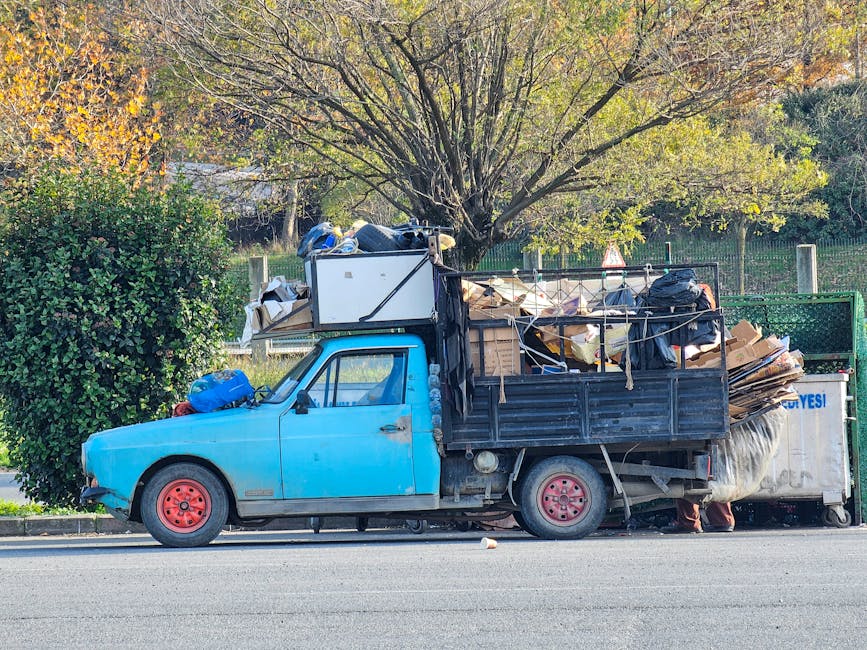
East Sheen to Mortlake bulky rubbish pickup route and tips
If you are planning a bulky rubbish pickup between East Sheen and Mortlake, the route itself is only half the story. The real win comes from knowing what to move, how to stage it, which collection method suits the load, and how to avoid the little delays that turn a tidy job into a messy one. This guide to the East Sheen to Mortlake bulky rubbish pickup route and tips is designed to help with exactly that. Whether you are clearing a sofa, a pile of broken shelves, or the sort of mixed household clutter that seems to multiply overnight, you will find a practical, local-friendly approach here.
Truth be told, bulky waste is rarely just "throw it out" simple. Access, parking, item type, lifting, and sorting all matter. One wrong assumption and you can end up with extra cost or a collection that cannot proceed. Let's make it easier.
Table of Contents
- Why this route and process matters
- How the pickup works
- Key benefits and practical advantages
- Who this is for
- Step-by-step guidance
- Expert tips for better results
- Common mistakes to avoid
- Tools, resources and recommendations
- Law, compliance and best practice
- Options, methods and comparison
- Case study
- Practical checklist
- Conclusion
- Frequently asked questions
Why East Sheen to Mortlake bulky rubbish pickup route and tips Matters
East Sheen and Mortlake sit close together, but "close" does not automatically mean "easy" when bulky rubbish is involved. A pickup route can be straightforward on paper and still be awkward in real life because of narrow roads, busy school-run periods, resident parking, parked cars, limited turning space, or items that need two people rather than one. If you are trying to move bulky waste efficiently, those details decide whether the job feels smooth or stressful.
Why does the route matter so much? Because timing and access often affect the whole collection process. A van or grab vehicle may need clear kerbside access, enough room to load safely, and a sensible place to stop without blocking traffic. If you are arranging a domestic clearance, a one-off rubbish removal visit, or a bigger clear-out, planning the route in advance can save a surprising amount of hassle.
It also matters for waste handling. Bulky rubbish is not just big rubbish. A mattress, a wardrobe, an old fridge, garden timber, and a pile of renovation offcuts all behave differently. Some items can go together, some should be separated, and some need specialist handling. If you know that before pickup day, you are already ahead.
There is a comfort factor too. No one likes a front path crowded with old furniture while they wait for collection. A good plan makes the job feel calmer. That sounds simple, but on a damp London morning with the pavement already busy, calm is a small luxury.
How East Sheen to Mortlake bulky rubbish pickup route and tips Works
The basic process is usually simple: identify what needs removing, choose the right service, prepare the items, and arrange collection. The route from East Sheen to Mortlake is not really a "route" in the sat-nav sense so much as a local pickup corridor. In practical terms, it means planning your collection around the streets, access points, loading conditions, and timing that make sense for both areas.
Here is the usual flow.
- List the bulky items. Note sizes, rough weight, and whether anything is dismantled already.
- Sort by type. Keep furniture, appliances, green waste, and general junk separate where possible.
- Check access. Think about stairs, tight hallways, front-garden gates, and whether the vehicle can stop nearby.
- Choose the right removal method. For mixed household items, a man and van service may suit smaller loads. For larger clearances, a skip or grab option may be better.
- Prepare the pickup area. Place items where they can be collected with minimal carrying.
- Confirm restrictions. Certain items, especially electricals or hazardous waste, may need special handling.
That last point is where people get caught out. A bulky waste job often looks straightforward until someone says, "Can you take the old fridge too?" or "We also found a tin of something suspicious in the shed." If in doubt, ask before collection day. It saves everyone time.
For larger or more mixed loads, it can also help to compare the available options. If you need a simple household clear-out, domestic skip hire may be a strong fit. If access is awkward and the load can be lifted quickly from the kerbside, a grab-based solution may be more practical. And if the rubbish is already stacked and you want it gone without waiting around, wait and load skip hire can be worth considering.
Key Benefits and Practical Advantages
The main benefit is obvious: you get rid of bulky rubbish without filling your car, making multiple trips, or leaving the job half-finished. But the real advantages go deeper than convenience.
- Less physical strain: Heavy items like wardrobes and divans are awkward, full stop. Professional removal reduces the risk of back strain or dropped loads.
- Better time control: Instead of spending a Saturday dragging rubbish to a tip or waiting for a slot, you can schedule the job and move on.
- Cleaner property access: Staging items for pickup helps keep hallways, patios, and driveways clear.
- More appropriate disposal: A reputable waste service can sort and route materials responsibly, which supports recycling and recovery.
- Flexible for different projects: From single-item removal to post-clearance clean-ups, the approach can scale to fit.
For many homeowners, the biggest benefit is mental. Once the clutter goes, the space suddenly feels usable again. You notice the light, the floor, the room echo. It sounds a bit dramatic, but anyone who has cleared a spare room knows the feeling.
If your job involves bigger home decluttering, it can also be useful to look at garage and loft clearance or house clearance support. Those services can make a real difference when the volume is more than a few bulky items and the project starts to creep into "why did we keep all this?" territory.
Who This Is For and When It Makes Sense
This kind of pickup is useful for a pretty wide range of people. Some need it once a year. Others are in the middle of a move, renovation, or business clean-up and need it right now. Either way, the common thread is the same: there is too much to move easily, and it is not worth doing badly.
It makes sense for:
- homeowners clearing out old furniture
- tenants moving at short notice
- landlords after an end-of-tenancy clean-out
- property managers dealing with abandoned items
- tradespeople who have mixed bulky waste after a job
- small businesses replacing office furniture or equipment
It also makes sense when bulky items are mixed with lighter waste. For example, you might have a damaged sofa, two flat-pack wardrobes, a broken desk, and a stack of packaging. That mix is awkward to move in a normal car, but it is exactly the kind of job a removal service can handle efficiently.
If the items are mostly renovation debris, you may be better matched to builders skip hire or builders waste removal. For bigger project waste, construction waste disposal and construction waste clearance can be more suitable. Different jobs, different tools. Simple, really.
Step-by-Step Guidance
If you want the pickup to go smoothly, treat it as a short project rather than a last-minute favour. Here is the cleanest way to do it.
1. Walk the route from the waste to the pickup point
Look at the exact path the items will take. Is there a tight corner by the stairs? A low hedge? A gate that opens the wrong way? These small details matter more than people expect. A clear route means fewer pauses, less lifting, and less risk of damage to walls or skirting boards.
2. Measure the largest items
You do not need a tape measure for every chair, but it helps to know whether a sofa is a two-person lift or whether a wardrobe needs partial dismantling. If the largest item is awkwardly long or unusually heavy, mention it when booking.
3. Separate your waste into sensible groups
Keep reusable furniture out of the pile if you are donating or selling it elsewhere. Set aside electricals. Keep anything sharp, dusty, wet, or questionable in its own spot. This makes loading safer and keeps the job tidy. A little organisation goes a long way.
4. Check for restricted items
Some materials should not be mixed into general bulky waste. That may include hazardous waste, certain appliances, or items with chemicals inside them. If you have a fridge, freezer, or similar appliance, look at fridge and appliance removal so you know what to expect. For electronics or office materials with sensitive paperwork, confidential shredding can also be useful.
5. Prepare the pickup area the day before
Move items near the front of the property if possible, but do not block exits or create a trip hazard. If the items are going outside, cover them if rain is forecast. A wet mattress or soaked cardboard can complicate collection and disposal. No one wants that.
6. Confirm the best disposal method
For a quick residential job, man and van or rubbish removal may be easiest. For a more contained project, skip hire gives you time to load at your own pace. If you want a secure container for mixed contents, enclosed and lockable skip hire can be a smart choice.
7. Book with realistic timing
Do not leave bulky waste pickup until the day before the builder arrives or the day you hand back the keys. Give yourself a bit of breathing room. If you need faster turnaround, same-day skip hire can sometimes help when timing has gone sideways, as it so often does.
Expert Tips for Better Results
Most bulky waste problems are not dramatic. They are small planning mistakes that stack up. So the best advice is practical, not flashy.
- Break down what you can. Flat-pack furniture, bed frames, and shelving usually become much easier to move once dismantled.
- Keep one clear loading lane. A straight path saves time and protects walls, doors, and knuckles.
- Use labels if you have mixed piles. "Keep," "remove," and "recycle" sounds basic, but it prevents silly mistakes.
- Think about weather. Wet waste is heavier and messier. A dry item is easier for everyone.
- Check parking before collection day. Especially in more tightly parked streets, a vehicle stop point can change the whole operation.
- Match the service to the job. If the load is large and loose, grab hire services may be more efficient than repeated manual loading.
One small real-world tip: keep screws, fittings, and sharp edges in a little container or taped bundle. It sounds fussy, but it stops people getting scratched while moving a frame or mattress. Not glamorous, but useful.
Another one. If the clear-out is part of a larger home refresh, bundling rubbish into a larger planned job is often cheaper and calmer than multiple mini-pickups. A lot of people discover this after the second trip, which is usually the point where the car smells faintly of old carpet and regret.
Common Mistakes to Avoid
Most issues with bulky rubbish pickup are avoidable. Here are the ones worth watching for.
- Leaving everything for the last minute. That creates poor sorting, poor access, and rushed decisions.
- Assuming all bulky items are the same. A sofa, a fridge, and a pile of plasterboard are very different problems.
- Blocking the only access point. It sounds obvious, but it happens constantly.
- Overfilling a skip or load area. Safe loading matters. If you are unsure, consult what can go in a skip before piling everything in.
- Forgetting permit or parking implications. If the container or vehicle needs road space, check the rules first.
- Mixing hazardous waste with general rubbish. This can cause collection delays and compliance problems.
- Not telling the provider about difficult access. Narrow entry, steps, no lift, or shared driveways should be mentioned early.
A lot of these mistakes come from optimism, to be fair. People think the job will be simpler than it is. Then the doorway proves otherwise. Better to be slightly over-prepared than stuck moving a wardrobe sideways through a hall at 8 a.m.
Tools, Resources and Recommendations
You do not need a toolbox full of specialist gear for most bulky rubbish pickups, but a few simple tools help enormously.
- Gloves: For grip and protection from splinters or dust.
- Moving blankets or old sheets: Useful for protecting walls, floors, and furniture edges.
- Tape measure: Helpful for checking items against door widths or vehicle space.
- Screwdriver set or hex keys: Handy for dismantling furniture.
- Bin bags and labels: Great for separating smaller waste from bigger pieces.
- Dust mask: Worth using when dealing with loft, garage, or long-stored items.
From a service perspective, it is worth thinking about the type of waste before you book. If you are clearing a shed, loft, or garage, garage and loft clearance can be especially useful because these spaces tend to hide mixed waste, cobwebs, and forgotten odds and ends. For garden-heavy jobs, garden waste removal is often a better fit.
If you want more structured pricing guidance, skip sizes and prices can help you judge volume before you book. And if your priority is simply a straightforward booking process, book online is the most direct route.
Law, Compliance, Standards, or Best Practice
For bulky waste in the UK, the important principle is simple: waste should be handled and disposed of responsibly, and it should not be left on the street or passed to an unlicensed operator. You do not need to become an expert in waste law to do the right thing, but you do need to be careful with where your rubbish ends up.
Best practice usually means:
- using a reputable waste carrier
- separating hazardous items from general rubbish
- checking what can and cannot be collected in the same load
- keeping access safe for workers and the public
- being honest about the contents of the load
Some jobs also need a permit or parking consideration if a skip or vehicle will be placed on the public road. If that sounds likely, look at skip hire permits or skip permits and plan ahead. That small admin step can save a big headache later.
For business customers, consistency matters too. Office furniture, archived files, and equipment should be removed in a way that supports secure handling and proper disposal. office clearance and commercial skip hire are relevant options if you are dealing with a larger or ongoing workplace project.
Options, Methods, or Comparison Table
The best removal method depends on volume, access, urgency, and item type. Here is a simple comparison to help you choose.
| Method | Best for | Strengths | Watch-outs |
|---|---|---|---|
| Rubbish removal | Small to medium mixed bulky waste | Fast, simple, minimal handling for you | Less ideal for very large or ongoing loads |
| Man and van | Single-room clear-outs, furniture, mixed household items | Flexible and practical for awkward access | Needs clear item list and collection details |
| Skip hire | Home projects, gradual loading, mixed waste | Good if you want time to sort and load | Space, permits, and overfilling need attention |
| Grab hire services | Loose waste, larger volumes, outdoor piles | Efficient for heavier or bulkier mixed waste | Needs access room for the vehicle arm and position |
| Wait and load | Sites with short-term clear access | Quick and tidy if everything is ready | Not suitable if items still need sorting or dismantling |
If you are staring at a room full of stuff and wondering what fits best, start with access and volume. That usually decides it faster than anything else. A tight terraced entrance and a single sofa point toward one solution; a driveway load of mixed renovation waste points toward another.
Case Study or Real-World Example
A typical local scenario goes like this. A family in East Sheen is preparing to clear a spare room before new flooring is fitted. The room contains an old wardrobe, a broken desk, a mattress, several bags of soft clutter, and a few smaller items from the loft that "will definitely be useful one day".
They start by sorting the items into keep, remove, and maybe. That alone cuts the load down by about a third. The wardrobe is dismantled the evening before. The mattress is placed near the front of the property, with a clear path through the hallway. The family checks whether anything needs special handling, then books a suitable collection method rather than trying to cram the lot into a car.
On the day, the difference is obvious. No wandering back and forth. No awkward wrestling with the wardrobe down the stairs. Just a controlled load-out, a quicker collection, and a clear room by lunchtime. Simple, but not accidental.
If the same job had included more mixed debris, they might have chosen a skip or a more comprehensive house clearance option instead. That is the key lesson: the right service is the one that fits the actual mess, not the ideal version of it.
Practical Checklist
Use this before your bulky rubbish pickup.
- Make a list of all items to be removed
- Measure the largest or heaviest pieces
- Separate furniture, appliances, garden waste, and general junk
- Check for hazardous or restricted items
- Clear a safe path from the items to the pickup point
- Confirm parking and vehicle access
- Dismantle items where practical
- Protect floors, walls, and door frames if needed
- Keep small fixings and sharp parts bundled together
- Choose the right service for the load size
- Review insurance and safety and health and safety policy information if you want extra reassurance
- Have a backup plan if weather or access changes
A quick checklist like this takes a few minutes and can save a lot of back-and-forth later. Honestly, it is one of those boring little jobs that makes everything else easier.
Conclusion
Planning an East Sheen to Mortlake bulky rubbish pickup route and tips does not need to be complicated, but it does need to be thoughtful. The best results usually come from simple preparation: know what you are removing, match the service to the waste, make access easy, and stay aware of any item that needs special handling. Do that, and the whole job becomes far more manageable.
For many people, the real benefit is not just a cleaner room or driveway. It is the feeling of getting one stubborn task off the list. The space opens up. The stress drops. You can move on.
Get a free quote today and see how much you can save.
Frequently Asked Questions
What is the best way to arrange a bulky rubbish pickup between East Sheen and Mortlake?
The best approach is to list the items, check access, and choose a service that matches the load. Small mixed loads often suit rubbish removal or man and van collection, while larger or slower-loading projects may suit skip hire or grab hire.
Can I mix furniture and appliances in the same pickup?
Often yes, but appliances can need special handling, especially fridges and freezers. It is better to declare them in advance so the collection can be planned properly.
Do I need to dismantle large furniture before collection?
Not always, but dismantling beds, wardrobes, and shelving usually makes the job quicker and safer. If you cannot dismantle them, mention the dimensions when booking.
What if my road is narrow or parking is tight?
That is worth flagging early. Narrow access can affect the type of vehicle used and the collection method chosen. In some cases, a wait and load arrangement or smaller vehicle makes more sense.
Is skip hire better than bulky waste collection?
It depends on the job. Skip hire is great when you want time to load waste gradually. Bulky waste collection is often better if you want items removed in one visit without storing a skip outside for long.
What items usually need separate handling?
Hazardous waste, electrical items, confidential paperwork, and some appliances often need separate handling. If you are unsure about a specific item, ask before collection day.
How can I keep the pickup area safe?
Keep the route clear, remove trip hazards, bundle sharp pieces, and avoid blocking doors or exits. A tidy staging area makes collection faster and safer for everyone.
What should I do with garden waste or loft clutter?
Garden waste is often better handled through a dedicated garden waste service, while loft clutter may be better suited to garage and loft clearance. Mixed loads can still be collected, but separation helps.
Can bulky rubbish pickup help with a house move?
Yes. It is especially useful for getting rid of broken furniture, unwanted storage items, and anything you do not want to take to the new property. It makes the move feel lighter, which is no bad thing.
How do I avoid extra charges or delays?
Be honest about the amount, size, and type of waste, and mention access issues early. The more accurate your description, the smoother the collection is likely to be.
Is there a good option for commercial bulky waste?
Yes. Offices and businesses often use commercial skip hire, office clearance, or tailored waste removal when replacing furniture or clearing space after refurbishments.
What is the quickest option if I need waste gone urgently?
Same-day skip hire can be useful if you need speed, while rubbish removal may be the fastest option for smaller loads that are ready to go immediately.
When you plan it properly, bulky rubbish pickup feels far less like a chore and more like a reset. And that, in the end, is the part people remember most.