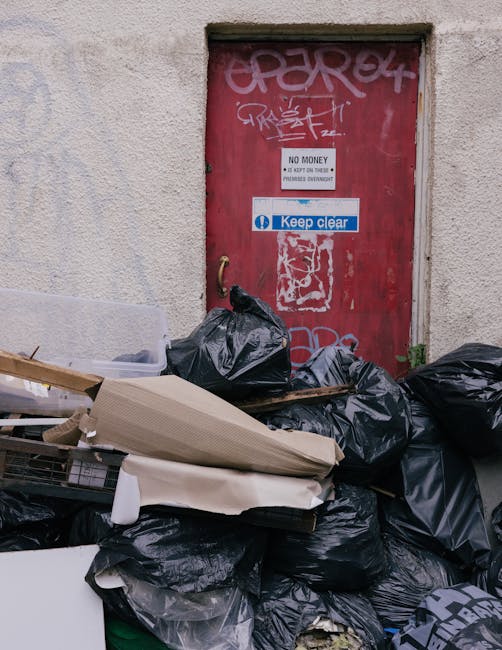
Barn Elms park rubbish clearance tips for Mortlake homes

If you live in Mortlake and you are sorting out a garden clear-out, an overfilled garage, or the aftermath of a busy family weekend near Barn Elms Park, rubbish clearance can suddenly feel more complicated than it should. Bags pile up, bulky items get awkward, and before long you are wondering what can be taken, what needs special handling, and whether a skip, a van, or a full clearance service is the smarter choice.
This guide on Barn Elms park rubbish clearance tips for Mortlake homes is designed to make that decision easier. You will get practical advice for planning a clearance, avoiding common mistakes, keeping neighbours happy, and using the right disposal route for household, garden, or mixed waste. There is a lot here, but it is all meant to be usable on a normal weekday, not theoretical.
Quick takeaway: sort waste before you move it, separate anything hazardous or specialist, choose the collection method that matches the volume, and think ahead about access, permits, and recycling. That alone prevents most headaches.
Why Barn Elms park rubbish clearance tips for Mortlake homes Matters
Mortlake homes often sit in that awkward middle ground between compact urban living and leafy, family-heavy suburbs. You may have a modest front drive, shared access, parking pressure, or a narrow street that makes waste removal less straightforward than it looks on paper. Add in weekend activities around Barn Elms Park, gardening jobs, a loft tidy-up, or a room refresh, and rubbish can build up fast.
Good clearance planning matters because waste is rarely just "rubbish". It is a mix of recyclable material, reusable items, awkward bulky goods, and sometimes things that need specialist handling. A broken fridge, a damaged mattress, and a pile of hedge trimmings all need different treatment. If you throw everything into one pile and hope for the best, you risk higher costs, delays, and avoidable stress.
There is also the local reality. Around Mortlake, collection timing, parking space, and neighbour access all affect how smooth the job feels. Even a simple clear-out can become a nuisance if bags are left on the pavement too long or a skip blocks a driveway at the wrong time. To be fair, most problems are preventable with a bit of planning.
For many households, the best route is a service that is matched to the waste type rather than the size of the job alone. If you are clearing a loft, a garage, or a garden store, pages like garage and loft clearance and garden waste removal are useful starting points because they fit the kind of mixed domestic waste that tends to appear all at once.
How Barn Elms park rubbish clearance tips for Mortlake homes Works
The practical process is simple once you break it into stages. First, identify the waste. Then separate bulky, recyclable, and specialist items. After that, decide whether you need a skip, a wait-and-load service, a man-and-van collection, or something more specific.
For a normal Mortlake home clearance, the most common route is:
- Sort the waste by type. Put general household items, garden waste, and bulky items into separate groups where possible.
- Check for restricted items. Paints, fridges, mattresses, electrical goods, and anything potentially hazardous need special attention.
- Estimate volume. A few bin bags is very different from a full garage or an entire kitchen strip-out.
- Choose the right removal method. This may be a skip, a grab-style collection, or a direct uplift service.
- Plan access. Think about where a vehicle can stop, whether there is enough room to load, and whether a permit may be needed.
- Load efficiently. Heavier items go first, lighter items fill the gaps, and breakables are kept separate.
The method matters because each option suits a different kind of job. A skip is brilliant when you have waste spread over a day or two. A wait-and-load arrangement works better if space is tight and you can gather everything quickly. A direct clearance can be more convenient if you simply want someone else to lift, sort, and carry it away in one visit.
If you are unsure what can go where, the page on what can go in a skip is a practical reference point. It helps reduce the classic "can this go with that?" confusion that turns a simple tidy-up into a guessing game.
Key Benefits and Practical Advantages
There is a reason many local homeowners prefer to clear waste properly rather than chip away at it with random trips to the tip. The upside is not just convenience. It is also about time, safety, and avoiding a half-finished job that hangs over you for weeks. We have all seen that one pile in the corner of the garden that somehow survives until the next season. Annoying, really.
Here are the main benefits of approaching it properly:
- Less disruption at home. A planned clearance is quicker than moving waste a little bit at a time.
- Safer handling. Heavy items, sharp edges, and broken materials are easier to manage when grouped sensibly.
- Better recycling. Separate sorting usually improves the chance that recyclable material is handled correctly.
- Cleaner outdoor spaces. This matters if you are trying to keep the front of your Mortlake home tidy and neighbour-friendly.
- Lower stress. You know what is being removed, when it is going, and what needs special treatment.
There is also the financial side. Choosing the wrong size container, overfilling waste, or needing a second collection can easily make a cheap job more expensive. A little planning up front tends to save money later. That is often the part people skip, then regret on collection day.
If you are weighing up disposal routes, it can help to compare services like rubbish removal, domestic skip hire, and wait and load skip hire. Each one has its own rhythm, and the best choice depends on how much waste you have and how easy it is to access the property.
Who This Is For and When It Makes Sense
This topic is most useful for homeowners, landlords, tenants, and anyone handling a one-off domestic clear-out in or around Mortlake. It is especially relevant if you are working around the Barn Elms Park area, where a lot of households naturally deal with garden cuttings, play equipment, old furniture, and the usual seasonal clutter.
It makes sense if you are dealing with:
- a garage that has turned into storage for everything except the car
- a loft or spare room full of old boxes, bags, and broken bits
- a garden refresh with branches, soil, fence panels, and plant waste
- bulky furniture that is too awkward for normal bin collection
- an end-of-tenancy tidy-up or a partial house clearance
- a small DIY project that created more rubble than expected
For more involved property jobs, broader services such as house clearance or site clearance may be more appropriate than piecing it together yourself. The key is matching the service to the scale of the waste, not just the emotional desire to get it done by lunchtime. Understandable, though.
If you are handling mixed waste from a renovation or builder's job, it may also be worth looking at builders waste removal or construction waste clearance rather than using a domestic option that is too small or too limited.
Step-by-Step Guidance
Here is a straightforward way to approach rubbish clearance without making it harder than it needs to be. It works well for Mortlake homes because it keeps things practical and avoids those last-minute surprises that always seem to appear on a Saturday morning.
- Walk the property first. Look in the garden, shed, loft, hallway, and any side access. Waste often hides in more places than you expect.
- Create separate piles. Put garden waste, furniture, general rubbish, recycling, and specialist items into different groups.
- Pull out anything restricted. Fridges, electronics, chemicals, paint tins, and sharps should be handled separately.
- Measure the larger items. A mattress, sofa, or appliance can take more room than people guess.
- Check access and parking. If a vehicle needs space outside your home, plan it early. Small roads can be fiddly.
- Choose the best collection method. Compare skip hire, man-and-van, grab lorry, or direct clearance based on volume and access.
- Book with enough lead time. Same-day can be useful, but a planned slot is often smoother.
- Load safely and logically. Heaviest items first. Keep sharp or breakable objects contained.
One practical example: a Mortlake homeowner clearing a patio after a wet autumn weekend may have broken plant pots, old timber, leaves, and a rusted barbecue. That is not one waste type. It is several. If you sort it properly before collection, the whole job becomes much quicker and less chaotic.
When space is tight or access is awkward, a grab lorry hire option can be a very tidy solution. It removes waste directly from the front, which is useful when you do not want a container sitting outside for days. If you do want to compare container sizes first, the page on skip sizes and prices is a sensible place to start.
Expert Tips for Better Results
Over the years, one thing becomes obvious: the smoothest clearances are rarely the biggest ones. They are the best organised ones. A few small habits make the difference.
- Do the sorting before collection day. It is much easier to think clearly when you are not standing in the rain with a wheelbarrow.
- Keep valuable items separate. A quick final check can save something useful from being thrown away.
- Use bags for loose light waste. Leaves, paper, old textiles, and small bits are easier to move safely in sacks.
- Break bulky items down where possible. Flat-pack timber, dismantled shelving, and folded cardboard take less room.
- Never mix hazardous items with general waste. It can create handling problems and slow the whole process.
- Think about weather. Wet garden waste weighs more. Sounds obvious, but it still catches people out.
A slightly overlooked tip is to keep a "maybe" pile. Not everything needs to be decided immediately. If you are unsure whether to keep, donate, or dispose of an item, set it aside until the main sort is done. That one trick stops half the room from becoming a debate.
For domestic jobs with odd-shaped items, man and van collections can be especially handy. They suit smaller loads, awkward access, and situations where you want help with lifting but do not need a larger container.
Common Mistakes to Avoid
Most clearance mistakes are simple. That is the annoying bit. They are easy to avoid, yet people repeat them because the job feels urgent. Here are the big ones.
- Guessing the volume. A load that "looks small" can quickly become a full trailer or skip.
- Mixing restricted items with normal waste. This is one of the quickest ways to create a delay.
- Forgetting access rules. A narrow drive, parked car, or low branch can cause real hassle.
- Ignoring permit needs. If a container goes on the road, the relevant permit issue should be checked in advance.
- Not sorting recyclables. Mixed waste is often less efficient to process.
- Leaving the load until the last minute. You end up rushing and throwing things together badly.
Another common slip is overloading whatever method you picked. That might mean a skip that is filled too high, bags that are too heavy to handle comfortably, or a van load that has been crammed so tightly that lifting becomes awkward. A little restraint is underrated.
If you are uncertain about permit requirements, it is worth reading up on skip hire permits and skip permits before you book. Not every home will need one, but if you do need it, you really do not want to discover that after the lorry arrives.
Tools, Resources and Recommendations
You do not need specialist equipment for every household clearance, but the right basics make the job safer and easier. Think of this as the practical kit that keeps your day moving.
- Heavy-duty gloves for sharp edges, dusty items, and garden debris
- Strong bin bags or rubble sacks for loose waste
- A hand trolley or sack truck for heavier objects
- Dust sheets and old blankets to protect floors and door frames
- Marker pens or labels so you can tag keep, donate, and dispose piles
- Basic measuring tape if you are checking whether bulky items will fit in a collection vehicle or container
On the service side, these pages are useful if you want to match the waste to the right solution:
- skip hire for standard domestic clear-outs
- same day skip hire for fast turnarounds
- enclosed and lockable skip hire for added security or weather protection
- fridge and appliance removal for white goods and larger electrical items
- mattress and sofa disposal for bulky furniture
If recycling and responsible disposal matter to you, the page on recycling and sustainability gives useful context for how waste is handled beyond the collection itself. That matters more than people often realise. It is not just about getting rid of things; it is about getting rid of them properly.
Law, Compliance, Standards, or Best Practice
For domestic rubbish clearance, the main rule of thumb is simple: waste should be handled responsibly and transferred to a legitimate carrier and disposal route. In the UK, that means you should avoid fly-tipping, keep hazardous items separate, and use a service that can manage waste in a lawful, traceable way. Exact obligations can vary depending on the material and the situation, so it is wise to treat anything specialist with extra care.
Best practice usually includes:
- separating hazardous or potentially hazardous materials
- not overfilling containers or vehicles
- protecting access routes and surfaces
- checking whether the waste type needs a dedicated service
- making sure collection and disposal are carried out by a trusted operator
If you are disposing of confidential paperwork or sensitive material during a home office tidy-up, consider a service such as confidential shredding rather than putting documents into general waste. Likewise, if the job includes batteries, chemicals, asbestos-like materials, or unknown containers, the safest move is to pause and ask before loading anything.
For businesses, landlords, and mixed-use properties, the standards are even more important. A home might need a straightforward domestic route, while a commercial space could require commercial skip hire or a more specialised waste removal plan.
Options, Methods, or Comparison Table
Choosing the right clearance method is mostly about access, waste type, and how quickly you want the space back. Here is a clear comparison to help narrow it down.
| Method | Best for | Strengths | Watch out for |
|---|---|---|---|
| Skip hire | Ongoing clear-outs, DIY waste, mixed domestic rubbish | Flexible, familiar, good for staged loading | Needs space and may need a permit if placed on the road |
| Wait and load | Tight streets, front-loading only, quick clearances | No skip left outside, fast if your waste is ready | You need to load promptly during the agreed window |
| Man and van | Bulky items, smaller mixed loads, hands-on help | Good for awkward objects and lifting support | Not ideal for large volumes of loose waste |
| Grab lorry hire | Substantial waste piles with easier front access | Efficient for larger loads and heavy material | Needs sufficient access for the vehicle |
There is no single winner for every Mortlake home. A driveway clearance after a loft sort may suit one method, while a garden renovation with branches, broken paving, and soil may suit another. If you are dealing with heavier mixed material, grab hire services can be a very sensible option.
Case Study or Real-World Example
Picture a typical Mortlake Saturday in late spring. A family near Barn Elms Park decides to reclaim the shed, clear the back garden, and finally shift the old sofa that has been waiting since Christmas. Nothing dramatic. Just one of those jobs that has quietly been hanging around.
At first glance, it looks like a small clear-out. But once they start sorting, the pile grows: garden clippings, broken plant pots, a rusted barbecue, a few bags of general rubbish, an old armchair, and some damaged timber from a planter box. That mix is exactly where people can get caught out. The garden waste is fine in one stream, the sofa needs separate disposal, and the broken timber could be useful to separate from general rubbish depending on condition and volume.
They make the job easier by doing three things before booking anything:
- they sort waste by type instead of stacking everything together
- they measure the access down the side return, which is tighter than expected
- they check whether they need a container left in place or a quicker collection
In the end, a combined domestic clearance approach fits best because the load is awkward rather than huge. The family gets the space back, the garden looks clean, and the job does not drag into the following week. Simple, really, once it is planned properly.
Practical Checklist
Use this checklist before you book or start loading waste. It keeps the whole process calmer and usually saves at least one annoying surprise.
- Have I sorted waste into clear categories?
- Have I separated anything hazardous, electrical, or specialist?
- Do I know roughly how much waste there is?
- Is access clear for loading or collection?
- Would a skip, wait-and-load, van collection, or grab lorry be the best fit?
- Do I need to check permit requirements?
- Have I protected floors, walls, and garden surfaces where needed?
- Do I know which bulky items need separate handling?
- Have I chosen a collection time that gives me enough breathing room?
- Am I recycling or reusing anything that does not need to be thrown away?
If you can tick most of those off, you are usually in good shape. And if not, that is fine too. Better to spot the gap now than halfway through loading, with a sofa wedged in the hallway.
Conclusion
Barn Elms park rubbish clearance tips for Mortlake homes come down to one thing: keep the job organised from the start. Sort your waste, check access, choose the right removal method, and treat anything special with care. That approach saves time, reduces stress, and gives you a much better chance of clearing the space properly the first time.
For many homes, the best result is not the biggest service, but the best-matched one. A small, well-planned clearance can feel easier than a large, messy one, and that is often the difference between a tiring weekend job and a surprisingly tidy finish. Nice when that happens.
If you are ready to move from planning to action, compare your options, check what can be taken, and book the service that fits your waste rather than forcing the waste to fit the service.
Get a free quote today and see how much you can save.
Frequently Asked Questions
What is the best rubbish clearance option for a Mortlake home near Barn Elms Park?
The best option depends on waste volume, access, and how quickly you want the job done. For mixed domestic waste, domestic skip hire is often a good fit, while man and van suits smaller or awkward loads.
Do I need a skip permit for home rubbish clearance?
You may need one if the skip is placed on a public road rather than on private land. It is sensible to check ahead by reviewing skip hire permits and skip permits.
Can I put garden waste and household rubbish together?
Sometimes yes, but it is usually better to separate them where possible. Garden waste often has its own handling route, and separating it can make disposal more efficient. For dedicated green waste, see garden waste removal.
What items should never go in general rubbish?
Hazardous items, chemicals, paint, fridges, and some electrical goods should not be mixed into standard waste. If you are unsure, check specialist pages such as hazardous waste disposal or fridge and appliance removal.
Is wait-and-load better than skip hire for Mortlake streets?
It can be, especially where parking is tight or you do not want a container left outside. Wait and load skip hire is often useful for quicker clearances with limited space.
How do I know which skip size I need?
The simplest approach is to estimate the waste by room, type, or pile size rather than guessing. The skip sizes and prices page is a useful way to compare options before booking.
Can bulky furniture be taken as part of rubbish clearance?
Yes, in many cases. Sofas, mattresses, and similar items are common in home clear-outs, but they are best handled through services made for bulky waste, such as mattress and sofa disposal.
What if I only have a small amount of waste?
If the load is modest, a van-based uplift or same-day collection may be more efficient than arranging a larger container. Take a look at same day skip hire if speed matters, or rubbish removal for straightforward disposal.
Is it worth separating waste before collection?
Yes. Sorting waste helps avoid mistakes, keeps restricted items apart, and can make recycling more effective. It also makes the day feel less frantic, which is no bad thing.
What should I do with confidential papers from a home office clear-out?
Use a proper secure disposal route rather than mixing documents with general waste. Confidential shredding is the safer option for personal or sensitive paperwork.
How can I make a clearance safer for children and neighbours?
Keep sharp items contained, avoid leaving waste where it can spill onto the pavement, and book a collection time that keeps disruption short. If you are using a skip, planning around access and permits makes the whole process much calmer.
Where can I learn more about responsible disposal and recycling?
The page on recycling and sustainability is a good place to understand how waste can be handled more responsibly, especially when you want to reduce what ends up as general rubbish.